Buy delicatessen.eu ?
We are moving the project
delicatessen.eu .
Are you interested in purchasing the domain
delicatessen.eu ?
domain@kv-gmbh.de · 0541-91531010
Buy delicatessen.eu ?
Is it "le présent texte" or "le texte présent"?
The correct phrase is "le texte présent." In French, adjectives generally come after the noun they modify, so "présent" should come after "texte." Therefore, the correct phrase is "le texte présent." **
Does it say "le présent texte" or "le texte présent"?
It says "le présent texte." **
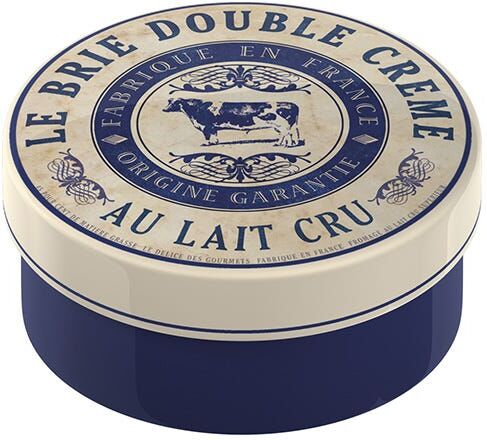

Similar search terms for Présent
Top-Angebote
Products related to Présent:
-
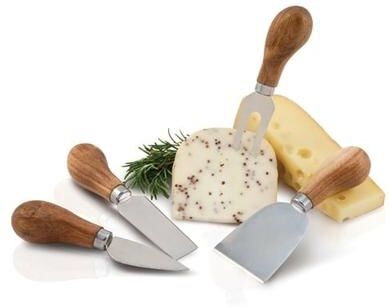
Twine Rustic Farmhouse: Gourmet Cheese KnivesThe Rustic Farmhouse Gourmet Cheese Set is a beautiful collection of four assorted cheese tools. With stainless steel blades and rustic elegant acacia wood handles, this handsome set is perfect for entertaining, gift-giving and picnics!23,19 $*Shipping: 0,00 $Secure redirect to the provider
-
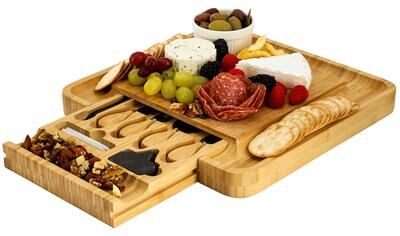
Gourmet Basics by Mikasa Mikasa Gourmet Basics Wine and Charcuterie Serving BoardHost in style with this Gourmet Basics Wine and Charcuterie Serving Board. Beautifully crafted of durable acacia wood, this stunning board is an easy way to serve wine, appetizers, cheese, and more.46,79 $*Shipping: 0,00 $Secure redirect to the provider
-
Zodax Rezi Polished Marble Cheese & Charcuterie BoardA solid slab of white marble with its smooth, substantial design features a round shape accentuated by natural, unique marble veining, the Rezi Cheese Board is minimalist in their design, but serves as a diverse kitchen tool.157,50 $*Shipping: 0,00 $Secure redirect to the provider


-
How is the Subjonctif Présent used in French?
The Subjonctif Présent is used in French to express doubt, uncertainty, desire, necessity, or emotion. It is often used after certain verbs and expressions that indicate these feelings, such as "vouloir que" (to want that), "il est important que" (it is important that), or "il faut que" (it is necessary that). The Subjonctif Présent is conjugated differently from other verb tenses and has specific endings for each subject pronoun. It is important to pay attention to the context in which the Subjonctif Présent is used to understand its meaning and usage. **
-
What is the difference between Imparfait and Conditionnel présent?
The Imparfait is used to describe ongoing or repeated actions in the past, while the Conditionnel présent is used to express hypothetical or uncertain actions in the present or future. The Imparfait is used to set the scene or provide background information, while the Conditionnel présent is used to express a condition or consequence. Additionally, the Imparfait is formed by adding specific endings to the root of the verb, while the Conditionnel présent is formed by adding specific endings to the infinitive form of the verb. **
-
Why are antipasti called antipasti?
The term "antipasti" comes from Italian, where "anti" means "before" and "pasti" means "meals" or "courses." Therefore, "antipasti" literally translates to "before the meal" or "before the courses." This name reflects the traditional Italian practice of serving small, flavorful dishes before the main meal to stimulate the appetite and prepare the palate for the upcoming courses. Antipasti typically include a variety of cured meats, cheeses, olives, and marinated vegetables. **
-
How do you distinguish between the Imparfait, the Conditionnel Présent, and the Futur Simple in French?
In French, the Imparfait is used to describe ongoing or repeated actions in the past, while the Conditionnel Présent is used to express hypothetical or uncertain actions in the present or future. The Futur Simple, on the other hand, is used to talk about actions that will happen in the future. To distinguish between them, pay attention to the context of the sentence and the time frame being referred to. The Imparfait will typically be used for past actions, the Conditionnel Présent for hypothetical situations, and the Futur Simple for future events. **


How is antipasti stored?
Antipasti is typically stored in the refrigerator to keep it fresh. It should be kept in a sealed container or covered with plastic wrap to prevent it from drying out or absorbing other odors from the fridge. Some antipasti, such as marinated vegetables or cured meats, can also be stored in airtight jars or vacuum-sealed bags to maintain their flavor and texture. It's important to follow any specific storage instructions provided for the particular type of antipasti you have. **
Can you eat antipasti while breastfeeding?
Yes, you can eat antipasti while breastfeeding. Antipasti typically consists of various types of cured meats, cheeses, olives, and vegetables, which are all safe to consume while breastfeeding. However, it's important to be mindful of any potential food allergies or sensitivities that your baby may have. If you notice any adverse reactions in your baby after consuming antipasti, it's best to consult with a healthcare professional. **
Top-Angebote
Products related to Présent:
-
Twine Rustic Farmhouse: Gourmet Cheese KnivesThe Rustic Farmhouse Gourmet Cheese Set is a beautiful collection of four assorted cheese tools. With stainless steel blades and rustic elegant acacia wood handles, this handsome set is perfect for entertaining, gift-giving and picnics!23,19 $*Shipping: 0,00 $Secure redirect to the provider
-
Gourmet Basics by Mikasa Mikasa Gourmet Basics Wine and Charcuterie Serving BoardHost in style with this Gourmet Basics Wine and Charcuterie Serving Board. Beautifully crafted of durable acacia wood, this stunning board is an easy way to serve wine, appetizers, cheese, and more.46,79 $*Shipping: 0,00 $Secure redirect to the provider
-
Is it "le présent texte" or "le texte présent"?
The correct phrase is "le texte présent." In French, adjectives generally come after the noun they modify, so "présent" should come after "texte." Therefore, the correct phrase is "le texte présent." **
-
Does it say "le présent texte" or "le texte présent"?
It says "le présent texte." **
-
How is the Subjonctif Présent used in French?
The Subjonctif Présent is used in French to express doubt, uncertainty, desire, necessity, or emotion. It is often used after certain verbs and expressions that indicate these feelings, such as "vouloir que" (to want that), "il est important que" (it is important that), or "il faut que" (it is necessary that). The Subjonctif Présent is conjugated differently from other verb tenses and has specific endings for each subject pronoun. It is important to pay attention to the context in which the Subjonctif Présent is used to understand its meaning and usage. **
-
What is the difference between Imparfait and Conditionnel présent?
The Imparfait is used to describe ongoing or repeated actions in the past, while the Conditionnel présent is used to express hypothetical or uncertain actions in the present or future. The Imparfait is used to set the scene or provide background information, while the Conditionnel présent is used to express a condition or consequence. Additionally, the Imparfait is formed by adding specific endings to the root of the verb, while the Conditionnel présent is formed by adding specific endings to the infinitive form of the verb. **
Similar search terms for Présent
-
Zodax Rezi Polished Marble Cheese & Charcuterie BoardA solid slab of white marble with its smooth, substantial design features a round shape accentuated by natural, unique marble veining, the Rezi Cheese Board is minimalist in their design, but serves as a diverse kitchen tool.157,50 $*Shipping: 0,00 $Secure redirect to the provider
-
Zodax Sargasso Marble Cheese and Charcuterie BoardPolished white marble makes a bright and elegant base for presenting appetizers at the buffet table or home bar. The simple design of this rectangular cheese board highlights the beauty of the durable stone.297,50 $*Shipping: 0,00 $Secure redirect to the provider
-
Why are antipasti called antipasti?
The term "antipasti" comes from Italian, where "anti" means "before" and "pasti" means "meals" or "courses." Therefore, "antipasti" literally translates to "before the meal" or "before the courses." This name reflects the traditional Italian practice of serving small, flavorful dishes before the main meal to stimulate the appetite and prepare the palate for the upcoming courses. Antipasti typically include a variety of cured meats, cheeses, olives, and marinated vegetables. **
-
How do you distinguish between the Imparfait, the Conditionnel Présent, and the Futur Simple in French?
In French, the Imparfait is used to describe ongoing or repeated actions in the past, while the Conditionnel Présent is used to express hypothetical or uncertain actions in the present or future. The Futur Simple, on the other hand, is used to talk about actions that will happen in the future. To distinguish between them, pay attention to the context of the sentence and the time frame being referred to. The Imparfait will typically be used for past actions, the Conditionnel Présent for hypothetical situations, and the Futur Simple for future events. **
-
How is antipasti stored?
Antipasti is typically stored in the refrigerator to keep it fresh. It should be kept in a sealed container or covered with plastic wrap to prevent it from drying out or absorbing other odors from the fridge. Some antipasti, such as marinated vegetables or cured meats, can also be stored in airtight jars or vacuum-sealed bags to maintain their flavor and texture. It's important to follow any specific storage instructions provided for the particular type of antipasti you have. **
-
Can you eat antipasti while breastfeeding?
Yes, you can eat antipasti while breastfeeding. Antipasti typically consists of various types of cured meats, cheeses, olives, and vegetables, which are all safe to consume while breastfeeding. However, it's important to be mindful of any potential food allergies or sensitivities that your baby may have. If you notice any adverse reactions in your baby after consuming antipasti, it's best to consult with a healthcare professional. **
* All prices are inclusive of VAT and, if applicable, plus shipping costs. The offer information is based on the details provided by the respective shop and is updated through automated processes. Real-time updates do not occur, so deviations can occur in individual cases. ** Note: Parts of this content were created by AI.